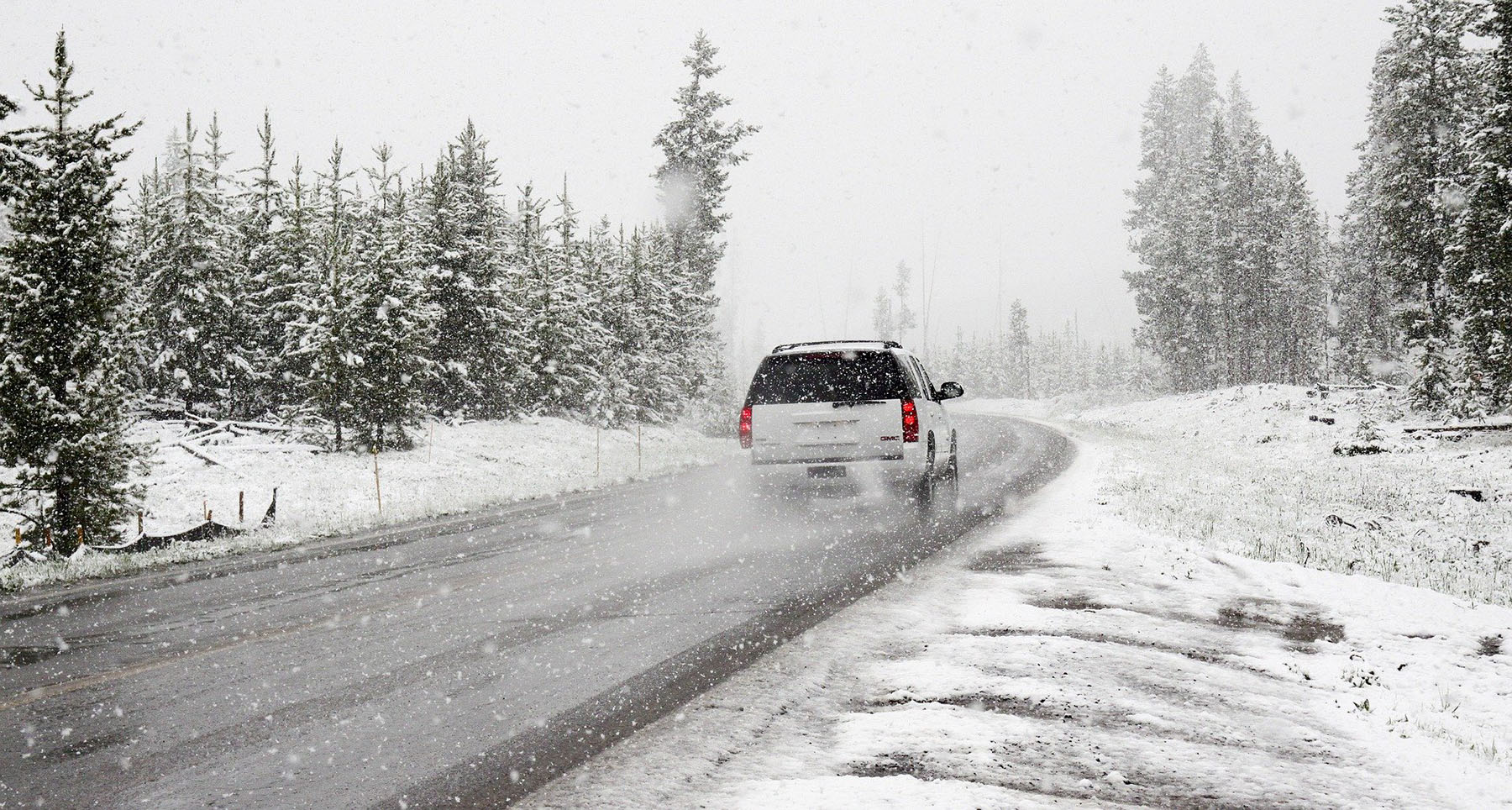


If you’re a Hoosier born and raised, then you’re definitely familiar with the unpredictable weather Indiana winters bring by now. One week it’s 60 degrees, and the next is freezing cold with a snowstorm on the way. While we may not always be able to predict driving conditions, we do our best by staying up to date with the latest weather forecasts and preparing for any scenario all season long. Be in the know before there’s snow. Don’t count on a dry winter only to wind up stuck in a snowbank. Prepare yourself and your car for a winter that brings any weather condition.
As we gear up for this upcoming season, one way to prep your car is with effective tires. Tires and their tread have a direct impact on how you drive on snow and ice. No one wants to be slipping and sliding while driving. This isn’t always inevitable, but you can reduce the risk with proper tires for the winter season.
Let’s discuss why tire tread matters most during the cold months of the year, and along the way, we’ll teach you how to check your tire tread to ensure you’re in good shape before heading out onto the road this winter.
How to Check Your Tire Condition
Tire pressure can change with temperature, because the air inside your tires expands when heated and contracts when cooled. This is why it’s essential to check your tire pressure every season. A routine check of your tire conditions ensures they’re complying with safety standards and that you’re not driving around like an accident waiting to happen. Here’s a step-by-step on how to check your tire condition and ensure it’s in tip-top shape.
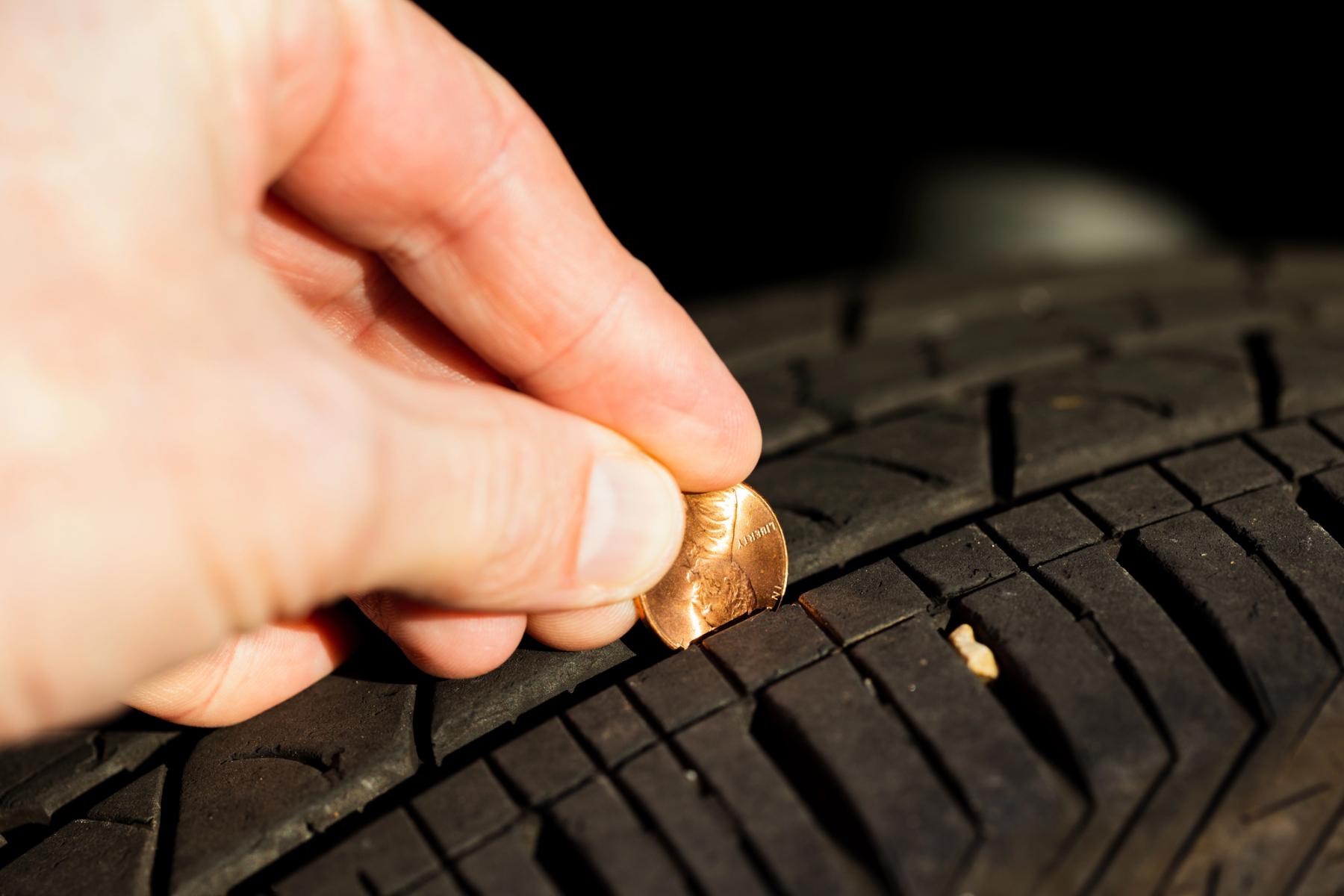
Check Your Tread with the Penny Test
Step one: find a penny. Step two: fit the penny into one of the grooves of your tire, with Lincoln’s head first. Now time to assess. How much of Lincoln’s head is covered? If Honest Abe is at least partly covered, you are good to go! However, if the tread doesn’t cover any part of his silhouette, your tires may no longer be able to grip the road as they should. The penny test is a reliable way to check your tread and is simple enough to do from the comfort of your driveway.
Check Your Tire Pressure
Your tires lose pressure in the cold, so it’s imperative that you don’t forget this step in your seasonal tire condition check-up. It’s also important that you refer to your manual during this process to find the right pounds per square inch (PSI) for your vehicle. This number tells you the ideal tire pressure your tire should maintain.
Wait at least three hours after driving, then get out your pressure gauge. Remove the valve stem cap, and insert the gauge into the valve stem. Use enough pressure to stop the hissing. Now you should be able to remove the gauge and read the pressure. If the pressure is around the recommended rate, you’re set to drive. If not, you’ll need to ensure your tires are properly inflated.
Monitor the Age of Your Tires
Tires, like most other things, have an expiration date. It’s important to keep a note of when your tires were last changed. Using tires past their expiration date can be dangerous for you and other motorists on the road. Tires can last up to 10 years, but as they age, they become more difficult to drive safely in the rain, snow, and any unpleasant conditions you might encounter this winter.
Consider Changing and Rotating Your Tires for Winter
Your tires might be in good condition, but are they made for winter? If not, it’s worth it for your safety and others to change your tires out before you start driving in wintry conditions. Even if your tires are made to withstand freezing temperatures, give them a rotation before we get into the thick of winter.
Determine What Kind of Tires You Need
If you’ve been relying on all-season tires since the springtime, it’s time to switch those out. All-season tires are designed to handle heat well. They’re a solid option for spring, summer, and fall… just not winter. All-weather tires are a much more compatible option for snowy driving conditions. When it comes to snow, all-weather or snow tires are the right and safe choice. These tires are designed to withstand snow, ice, and freezing temperatures. However, do not mix tire styles on your vehicle. This is dangerous and could lead to accidents.
Why Tire Rotation is Important
Tire rotation is an essential part of maintenance, not optional. While changing tires, remember to rotate them as well. Rotating winter tires helps even wear and extends their life, as well as improves performance. They should be rotated regardless of whether you’re driving an all-wheel or four-wheel drive vehicle. Tires with good tread depth and even wear offer better:
- Traction on icy, slippery roads
- Steering response
- Cornering
- Brake performance
- Balance handling
Depending on your vehicle’s drive system and your tires, rotations follow a handful of patterns based on several factors. Winter tires should be rotated about every 5,000 to 6,000 miles or according to the manufacturer’s recommended timeline.
When to Swap Out Your Tires
When exactly is the right time to make the switch to winter tires? Swapping out your tires before winter begins will ensure you’re not blindsided by an early snowstorm or icy roads. When the temperature drops to 45 degrees or below, it’s ideal to make the switch. Then, after a long and cold winter, when the temperatures begin to rise and stay above 45 degrees, you’ll be able to return to your all-season tires.
Additional Ways to Improve Your Traction
Now that you’ve changed and rotated your all-weather or snow tires and checked their condition, you may be tempted to try to go an extra mile with traction. There are additional ways to improve tire traction. However, not all these methods are necessary, and some aren’t even based on facts. While we cover some of the more popular options, it’s important to note that many winter driving myths are out there, too. If you think you’ve found a lifehack that no one else has discovered yet, triple-check it’s from a reliable source before testing it in hazardous conditions.
Do Snow Chains Improve Traction? True or False?
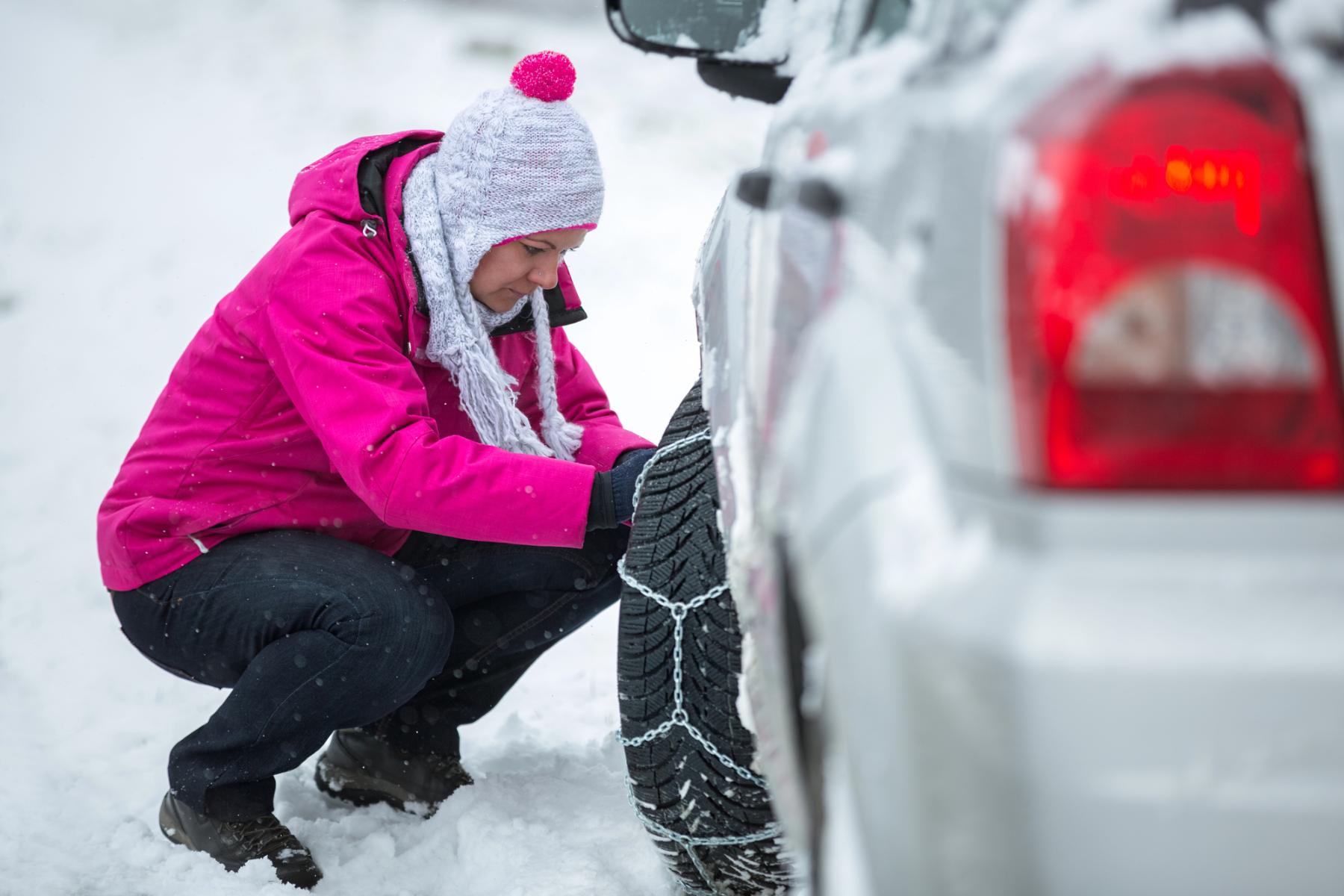
Indiana weather may be unpredictable, but it’s steady enough to predict that snow chains likely aren’t a necessity to drive in our climate. Tire chains are suited for mountainous areas with steep, snow-covered roads. Vehicles with tire chains must drive under 30 mph, so unless you’re avoiding I-465 or any other major highways or roads, they might not be a realistic option for your vehicle.
Operating a vehicle with snow chains requires a mindful and comprehensive driver. Additionally, it’s essential that you take off your snow chains when you reach clear roads. Tire chains are only effective on snowy roads. Chains on dry paths can damage the chains themselves and your tires.
Do Sandbags Improve Traction? True or False?
You might have heard that putting sandbags in your trunk improves traction in the snow. Is this actually true? Adding weight to your trunk is only effective for vehicles with rear-wheel drive (RWD). If you do have RWD, tube-shaped sandbags are most effective and should be centered over the rear axle. If you have all-wheel or four-wheel drive, adding sandbags or other weight to your trunk will not improve traction.
Drive Safer with DriverEd Safety
Learn how to drive in any condition, even the more treacherous ones. DriverEd Safety prepares our students with the tools and resources to develop effective defensive driving skills. Become the best driver you can be and get started with our Online Course and Behind the Wheel lessons today.