
Wave goodbye to winter coats and snow days because pretty soon, spring will be in full swing. Hoosiers know that the cold weather isn’t gone for good, but warmer days are on the way. Changes in seasons also mean changes in driving conditions. As the ice starts to melt, roads will pose new seasonal driving challenges.
You’ve conquered the wintery roads; now it’s time to switch gears and prepare for spring driving. As the roads begin to thaw, let’s review spring driving safety tips as we transition out of winter.
Why the Winter-to-Spring Transition is Surprisingly Hazardous
We’ve covered the dangers of driving during the wintertime, but it’s not the only season that brings road hazards along with its weather conditions. Winter driving hazards are widely known, but the winter-to-spring transition is often overlooked.
Fluctuating Temperatures: Ice, Sleet, and the Midwest “Unexpected”
You know the saying… “April showers bring May flowers.” Well, in Indiana, that isn’t promised. In the Midwest, it isn’t always clear when to change from winter to spring driving habits. That’s because we often face winter weather well into spring. As far as spring safety driving tips go, an important one is that you should be prepared for rain, sleet, and even snow!
As for defensive driving techniques in snow and sleet, be sure to accelerate and decelerate slowly, and don’t press on your gas or brake pedals too hard. Instead, tap them softly to avoid skidding or spinning your wheels on the ice. In short, driving slower than you normally would in poor conditions is the best option for keeping you and others around you safe.
Managing Spring Showers and Hydroplaning Safety
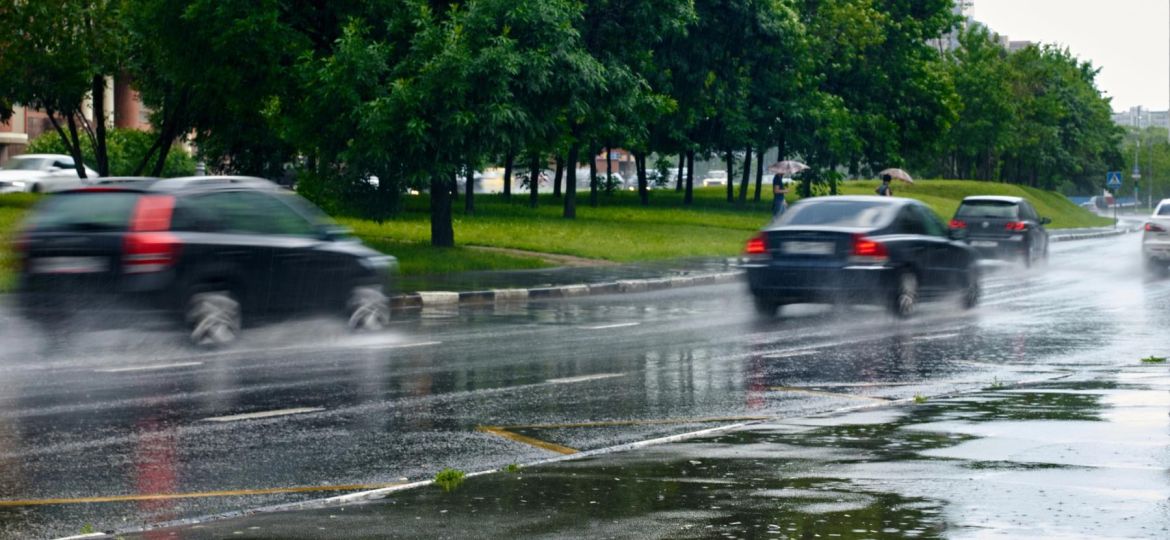
Spring showers are here, let’s cover safe driving tips for student drivers in the rain to utilize in these upcoming months. When driving through rainstorms, remember to slow down! Rain reduces driver visibility, decreasing driver safety on the roads. Make sure to use the proper windshield wiper settings in more severe storms, and consider extra combatants such as water repellent products, like Rain-X, which will increase your visibility, allowing you to better spot road hazards in the way.
Wet surfaces create road hazards because the rainwater creates incredibly slick conditions, plus your vehicle’s reaction time is much slower in the rain. In fact, if you’re going around 35 mph, it only takes 1/12th of an inch of rain to hydroplane. Hydroplaning is when your vehicle slides uncontrollably on the wet road. The only surefire way to avoid hydroplaning is not to drive in the rain. This isn’t very realistic as far as spring safety driving tips go, so ensure you’re following hydroplaning safety practices. Reduce your speed, ensure your tires are properly inflated, and don’t use cruise control while driving in wet conditions. It’s also a good idea to avoid puddles on the road when you can.
If your vehicle is hydroplaning, do not slam on the brakes! The best thing you can do is ease off the accelerator and continue driving steadily in the direction you need to go, steering no more than what is necessary.
The Battle of the Potholes: Avoiding Seasonal Road Damage
How the “Freeze-Thaw” Cycle Creates Potholes
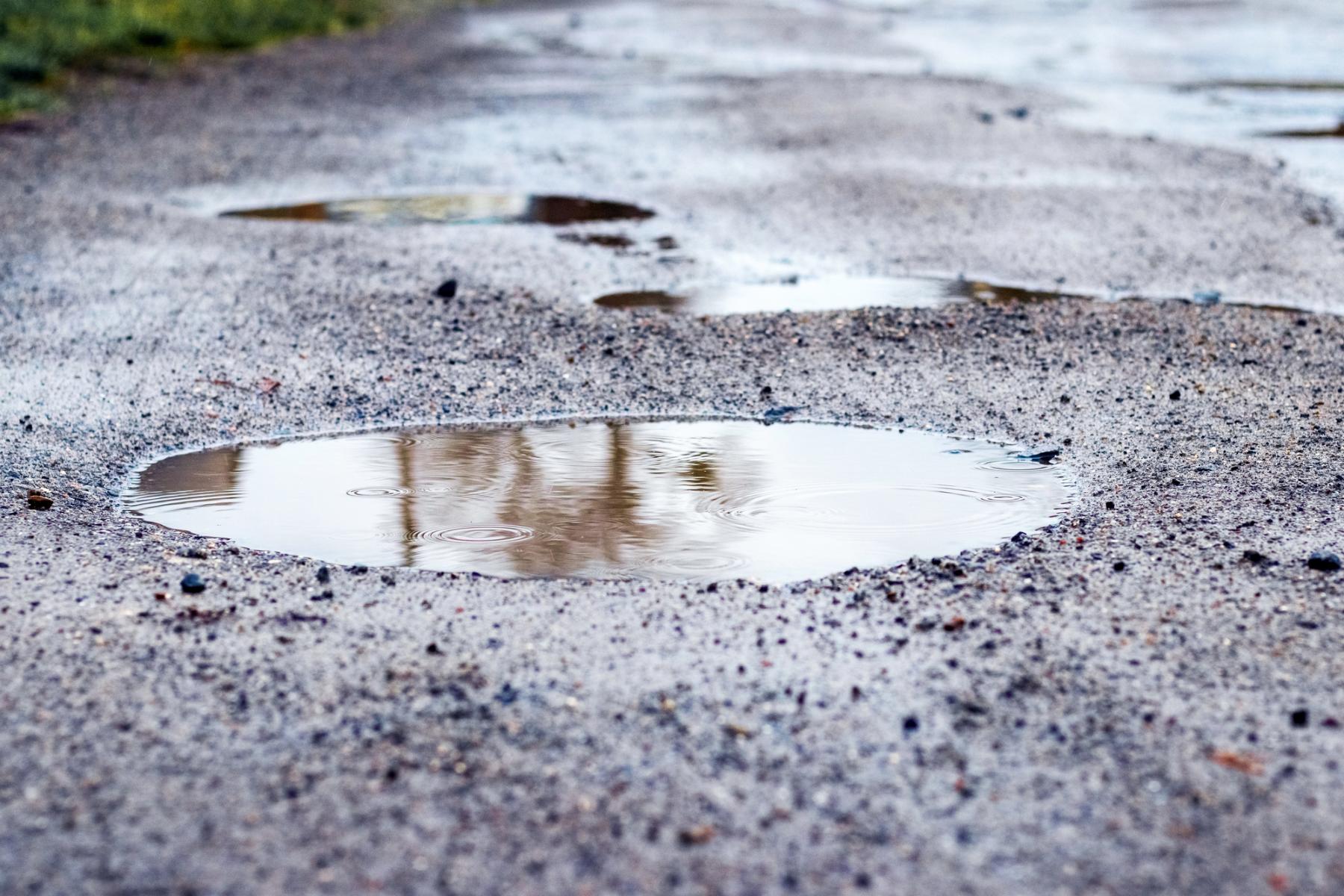
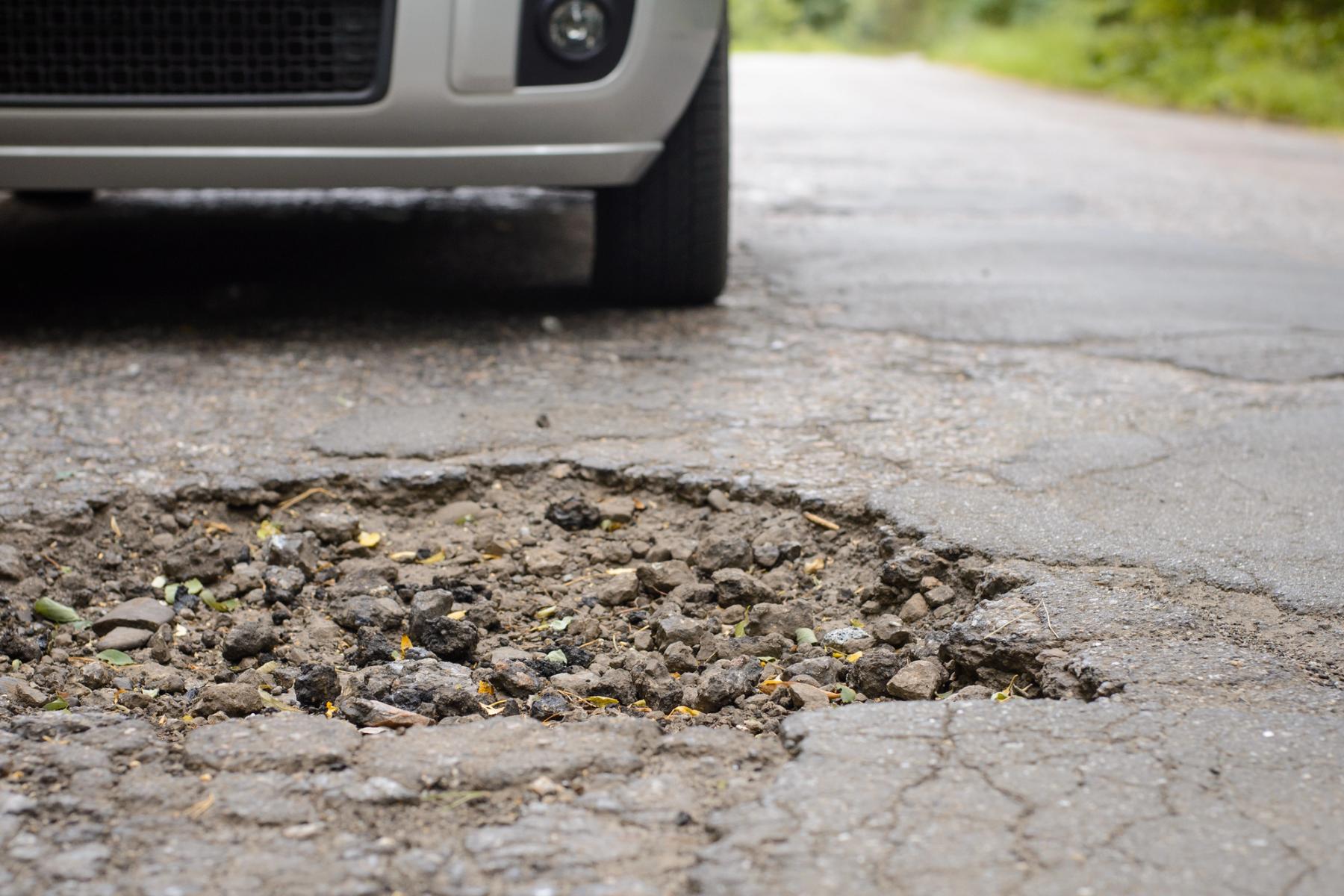
We can’t cover spring safety driving tips without discussing potholes. After a long, cold winter, potholes are bound to pop up on Hoosier roadways. Potholes form as water expands and contracts during freeze-thaw cycles, combined with the amount of traffic on the pavement. They are quite the driving safety annoyance, yet inevitable this time of year.
Defensive Driving Techniques to Dodge Potholes
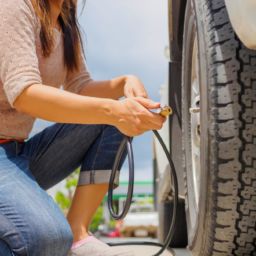
While it’s not guaranteed, there are some defensive driving techniques that can help you avoid pothole damage this spring. First and foremost, regardless of the seasons, proper tire inflation is a must. Under- and over-inflated tires are more likely to cause damage to your vehicle if you hit a pothole. This is your first line of defense against these pesky road hazards. Make sure you know how to check your tire condition, and remember, if it’s freezing out, you likely won’t be able to increase the air pressure in your tires, as it’s too cold to implement.
Next, you’ll want to put into play all of the spring safety driving tips you have learned. Don’t tailgate the vehicle in front of you. If you are following too closely, you won’t have time to avert your car and miss the upcoming pothole. Leaving more than the typical 3-4 second space cushion between you and the vehicle in front of you will allow you to spot the pothole and adjust your speed, or even allow you to merge into a different lane safely. Look down the road for any potholes or road hazards that you might come across, so you can safely prepare for this encounter.
Last, but not least, we’ve all heard this one before: SLOW DOWN. During the spring driving months, there are a myriad of reasons to drive slower than you normally do, but pothole avoidance might just make this your reason to actually lower your speed. If you can reduce your speed, then you can likely spot that gnarly pothole a lot sooner.
Why Puddles are Often Potholes in Disguise
Avoid puddles on the road! This is a biggie. Often, you cannot judge the depth of a puddle or whether it’s frozen or not. During spring months, these puddles could be concealing some very major potholes, and by assuming it’s just standing water, you could unintentionally do serious pothole damage to your vehicle.
What to Do If You Hit a Pothole
Potholes, rain, and the spring melt create the perfect recipe for deep puddles. Although it’s not always possible to dodge these road hazards, the slower you cross them, the better the outcome for you and your vehicle.
Immediate Signs of Vehicle Damage (Alignment vs. Tire)
Did you know that hitting a pothole can equate to the force of a 35 mph car crash? Potholes don’t mess around, and neither should we. Do you know the signs of car alignment issues after hitting a pothole? If you do hit one, here are some common signs of pothole damage:
Alignment: Does your steering wheel seem to be off-center? If this is the case, it’s very likely that hitting the pothole has affected your alignment and will need to be readjusted. An extreme result could be damage to a steering component. Your car pulling to one side when driving straight is another of the key vehicle alignment signs.
Flat Tire: This will be the easiest sign of damage. Make sure your spare tire is handy and inflated (typically located in your trunk), so you can get the flat off your vehicle as soon as possible and prevent further damage to the tire, the rim, and ultimately your vehicle.
Shaky Steering Wheel: This is likely indicative of a flat tire, a bent rim, damaged brake rotors, or unbalanced wheels. Regardless, pull over, check the wheels, and assess if you can continue to travel on them until you can get the vehicle serviced.
Strange or Weird Noises: After encountering a pothole, if you start to experience unfamiliar noises, you might have done damage to the underbody of your vehicle or exhaust system. This type of damage will require getting your vehicle in for an inspection immediately.
These are just some of the more common signs of pothole damage that could have been a result of hitting a pothole. Take note of how your vehicle typically handles and sounds. That will help you identify if you have damage after hitting a pothole. Your vehicle is bound to encounter a pothole at some point, so knowing what to look out for can help you fix a problem before it becomes a bigger one!
Handling a Flat Tire on the Road
Fear not! Popping a tire is scary, but nothing you can’t handle. Remember to stay calm and begin easing your foot off the accelerator. Steer your vehicle to a safe stopping place. Turn on your hazard lights and make sure it’s safe to exit your vehicle before assessing the damage. If you’re stranded and unable to drive with your tire in its condition, you have a few options:
- Call roadside assistance: Have your membership or insurance information, location, vehicle information, and issue details readily available so they can assist you as efficiently as possible.
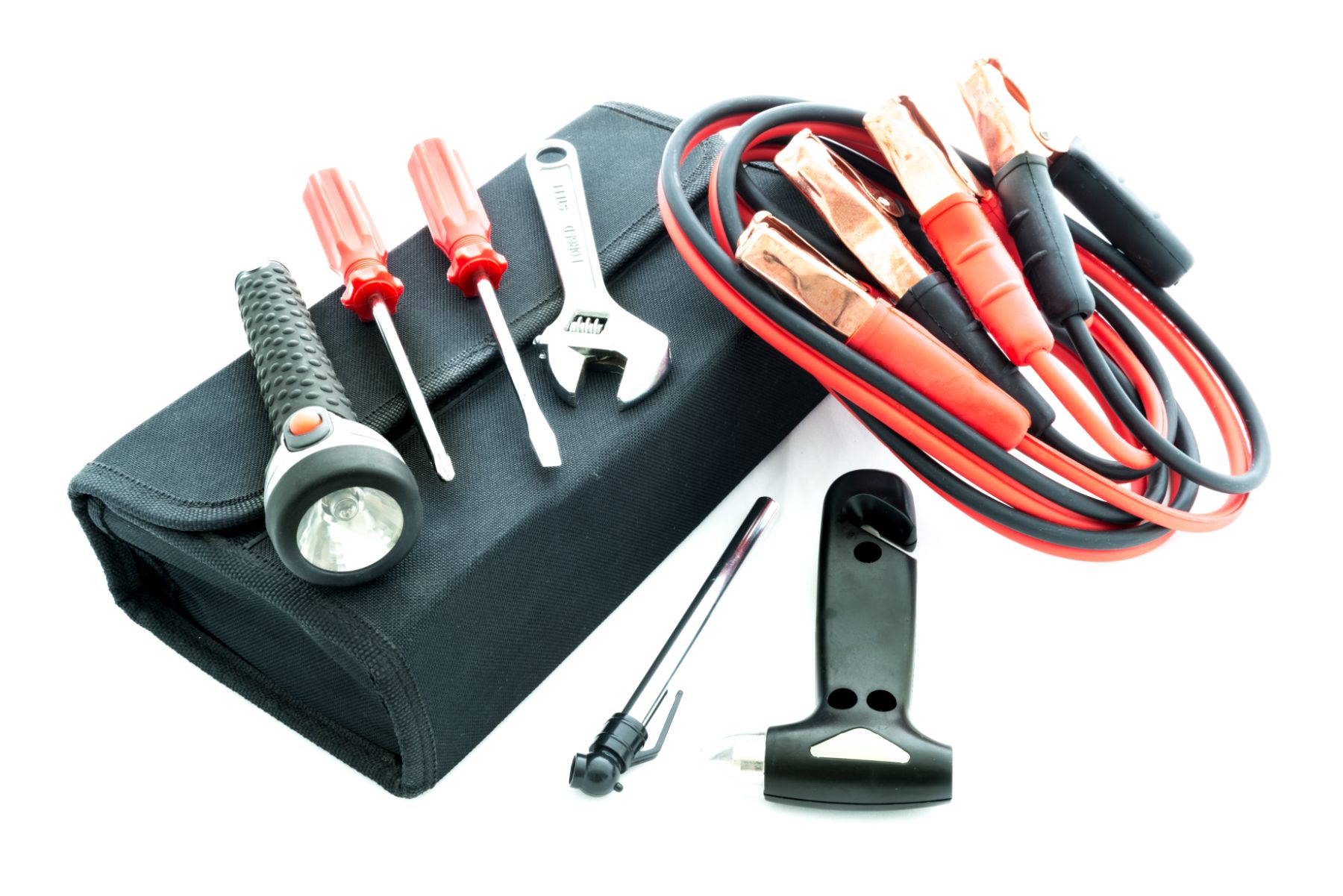
- Break out your emergency kit: If you haven’t yet, equip your car with tools like the emergency roadside kit and a tire inflator, which can offer a temporary fix until you can get to a safe destination.
- Sub in your spare tire: With the help of a car jack and wrench, you can remove the flat and install your spare tire as a temporary replacement. Ensure you have all of the tools and knowledge before beginning this process, as you don’t want to worsen the situation.
Taking Action: Reporting Potholes and Protecting Your Car
How to Report Potholes to INDOT and Local Cities
Unfortunately, there’s no roadmap on how to avoid pothole damage in spring. If you do experience pothole damage, help is available. The City of Indianapolis and Indiana Department Of Transportation take the problem of potholes and Indiana driving laws seriously. Depending on the damage incurred from a pothole encounter, you can file a pothole claim for reimbursement. The city also has a system to report potholes so they can identify and repair them quickly.
Reporting potholes helps other drivers become aware of some surprising and damaging spots. So, do your part to help other drivers and the city keep all drivers safe. For potholes on city streets or county roads, please contact the proper city or county maintenance department.
Why Regular Car Washes are Critical for Rust Prevention
Earning your driver’s license unlocks a new sense of freedom, but with that also comes new responsibilities. Maintaining the exterior of your vehicle is a key part of that responsibility. At the beginning of spring driving, there’s a unique driving safety challenge with the presence of road salt mixed with warm, humid air. Salt is “hygroscopic,” meaning it attracts moisture. Even on a dry spring day, salt stuck to the undercarriage of your vehicle is working with the humidity in the air to create rust. Road salt damage is no fun.
Here’s how to prevent car rust from road salt: a professional car wash with an undercarriage spray. It’s a non-negotiable spring maintenance item, especially once all the snow has melted. A car wash can protect the paint and prevent rust due to road salt damage. It can also increase visibility by removing dirt from your windshield and headlights. After all, it is spring cleaning season, so show your car some love with a thorough clean. Use this opportunity to clean inside and out with products like Armor All Spray and Armor All Wipes. Keeping your car in prime condition extends its longevity as well as keeps you safe on the road.
Watching for New Road Sharing Hazards
Increased Pedestrian and Cyclist Activity
Warmer weather means more folks are going to be outside! As always, you’ll want to stay alert to your surroundings and look out for any pedestrians (and their pets) nearby. Remember, they may not always follow the rules (like jaywalking), but they still have the right of way! At the end of the day, you are operating a vehicle, and they are on foot, so it is best to be courteous of their path and slow down or stop when appropriate.
Master All-Season Driving with DriverEd Safety
Be prepared to handle all seasonal driving transitions. At DriverEd Safety, we work with our students to develop effective defensive driving and behavioral patterns so that they can handle the roads, rain, or snow. Get started today with our Online Course or book your Behind the Wheel lessons here.